
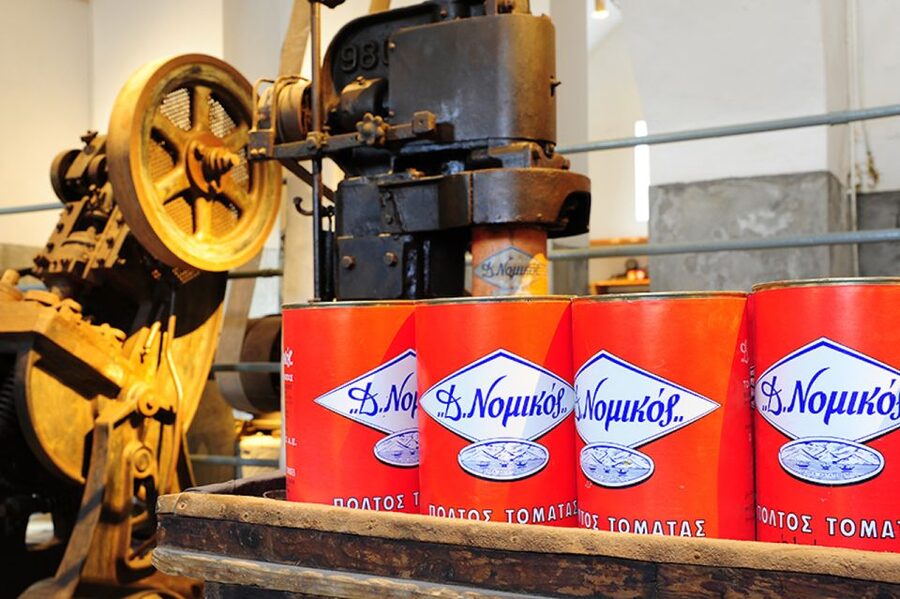
Reviewed · MUSEUMS
Santorini: Tomato Museum Admission Ticket with Audio Guide
Tomatoes, but make it industrial. At the Tomato Industrial Museum D. Nomikos in Vlychada, you learn how Santorini’s famous cherry tomatoes were produced long before modern farming took over. It is a neat mix of factory history, food culture, and hands-on tasting.
I especially like the self-paced audio guide, which lets you go at your speed through the complex. I also like that you get to taste the cherry-sized sweet tomato and connect flavor with the steps behind it. One possible drawback: this is not a long, live-guide kind of museum, so if you love question-and-answer storytelling, you may want to bring your curiosity and use the audio guide closely.
Key things to know before you go

- Self-guided, 3-part factory walk through cultivation, processing, and production
- Audio guide in 5 languages (English, French, German, Italian, Greek) plus you explore on your schedule
- Cherry-tomato tasting focused on Santorini’s distinctive sweet flavor
- Factory-era exhibits including processing machinery and audiovisual worker accounts
- Museum shop access to buy tomato-based products made with the local variety
- Fast, family-friendly pace that works well if you do not want to be stuck for hours
Tomato Industrial Museum D. Nomikos, Vlychada: getting there without stress
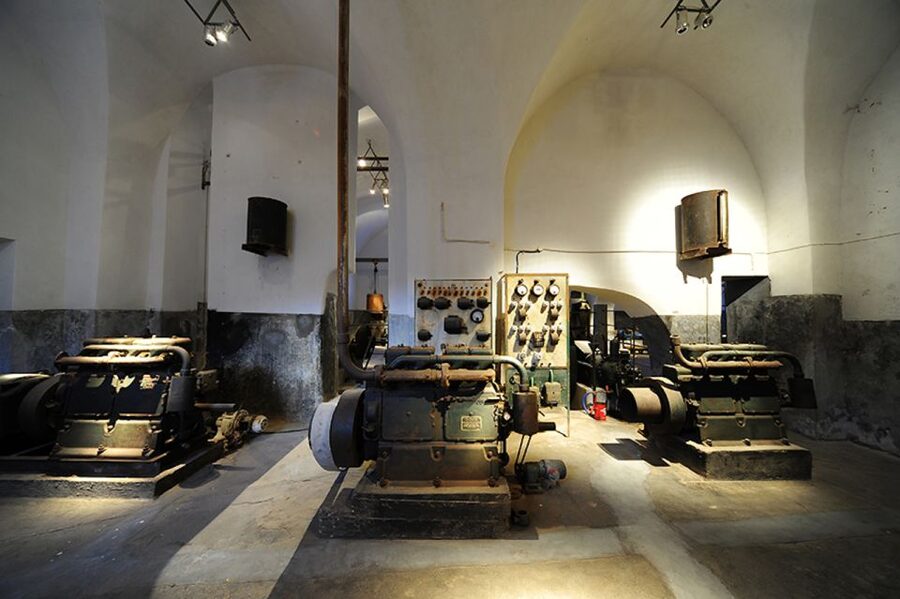
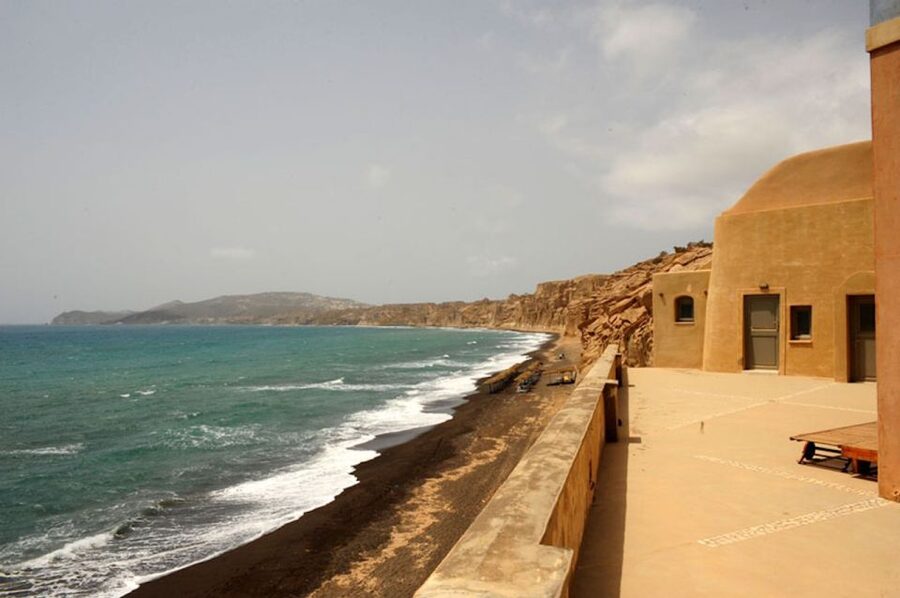
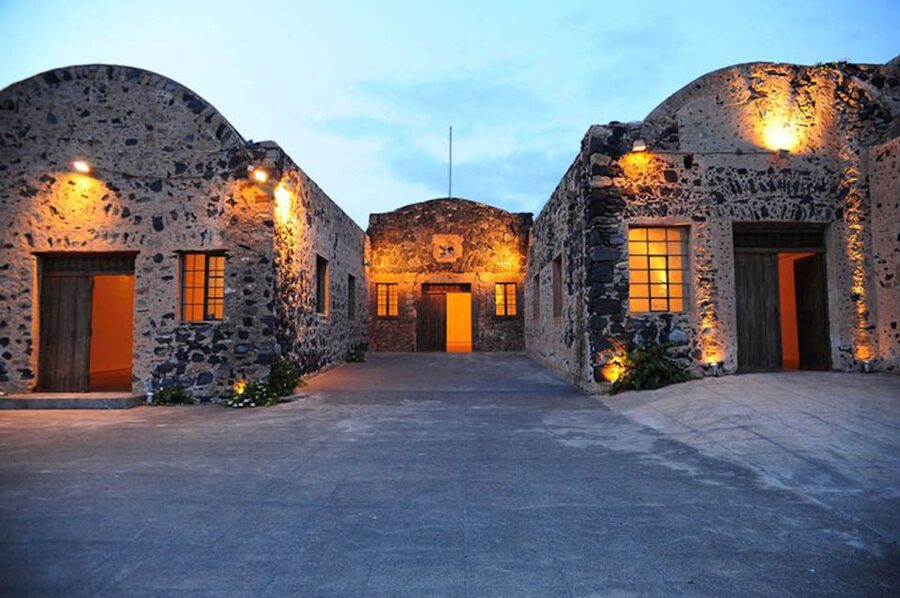
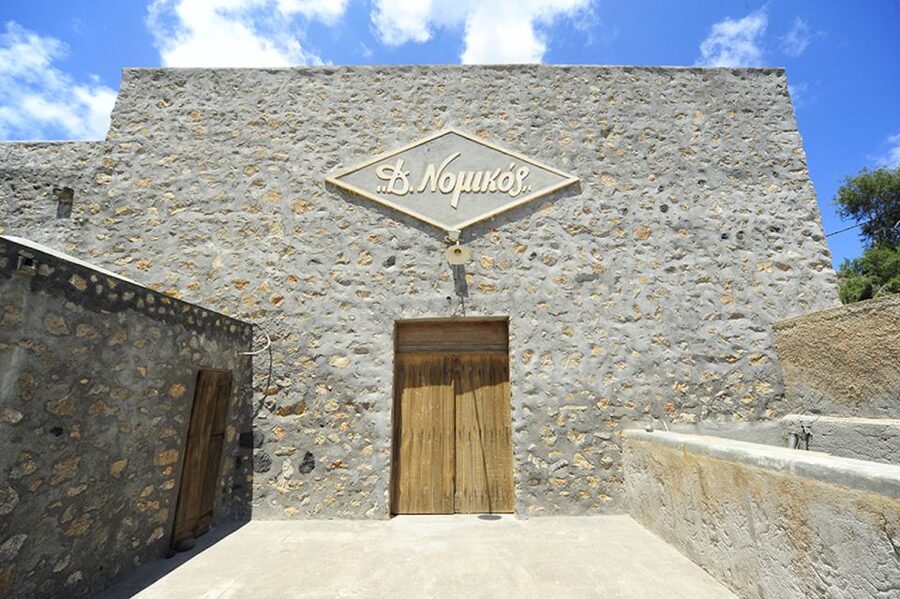
The Tomato Industrial Museum is at the former historical tomato factory of D. Nomikos in Vlychada, on Santorini’s south side. That location matters, because the museum is not a generic history room. It sits inside an industrial setting, so the whole experience feels like you are stepping into the work environment that produced the island’s tomatoes.
The meeting point is the Tomato Industrial Museum, D. Nomikos. From Fira, you can reach it by taxi or by public bus every 2 hours. If you want the easiest day, taxi is simple. If you are budget-minded, plan around the bus timing and build a little buffer so you are not rushing.
Before you arrive, think about what you want from the museum: food people get a lot out of the tasting and production story. History-minded visitors will enjoy seeing how an island food staple was built with industrial tools and methods. Either way, you are walking into a place that is specifically about the Santorini tomato, not just tomatoes in general.
A self-paced audio tour through cultivation, processing, and production
This ticket gives you admission to the complex plus an audio guide device. The museum guides you through the tomato’s journey in three big areas of the site, and you can move through them in your own order and tempo.
Here is what that means in real life. Instead of feeling locked into a group schedule, you can pause when something catches your eye, then keep going when you are ready. If you want to spend extra time with the machines or the audiovisual materials, you can. If your group includes kids or you simply have limited stamina that day, you can keep it moving.
The core story is the same throughout: Santorini tomato cultivation and production methods that trace back to the end of the 19th century. You learn how the island’s producers grew the famous cherry-sized fruit, how it moved through processing, and how the factory turned it into a product line.
That structure is valuable because it explains why the tomato became so distinctive. You are not just told that the fruit is special. You are shown the steps that shaped its path from field to factory to finished goods.
Audio guide basics: headphones and how to use the device well
The audio guide is included with your admission ticket, and it comes in five languages: English, French, German, Italian, and Greek. This is one of the big quality-of-life wins here. You can read the exhibits at your own speed, and then let the narration fill in details you might miss at first glance.
One practical note: bring headphones. The museum experience requires you to listen, and you will save yourself stress if you pack them ahead of time. On a busy island day, it is also easier to start and stop listening without handing over devices or sharing with others.
How to use it well: I recommend you start your first area with the audio running at a normal volume, then use the remaining areas to go back to anything that grabbed you. If the tasting is part of your motivation, keep the production story in mind as you move through the complex. When you finally taste the tomato, you will notice details more clearly, like sweetness and texture, instead of treating it like a random snack stop.
Also, there is a host or greeter on site who speaks English and Greek. So if you have questions about where to start or what to do with the audio device, you are not completely on your own.
Inside the factory: machinery, worker stories, and what you actually learn
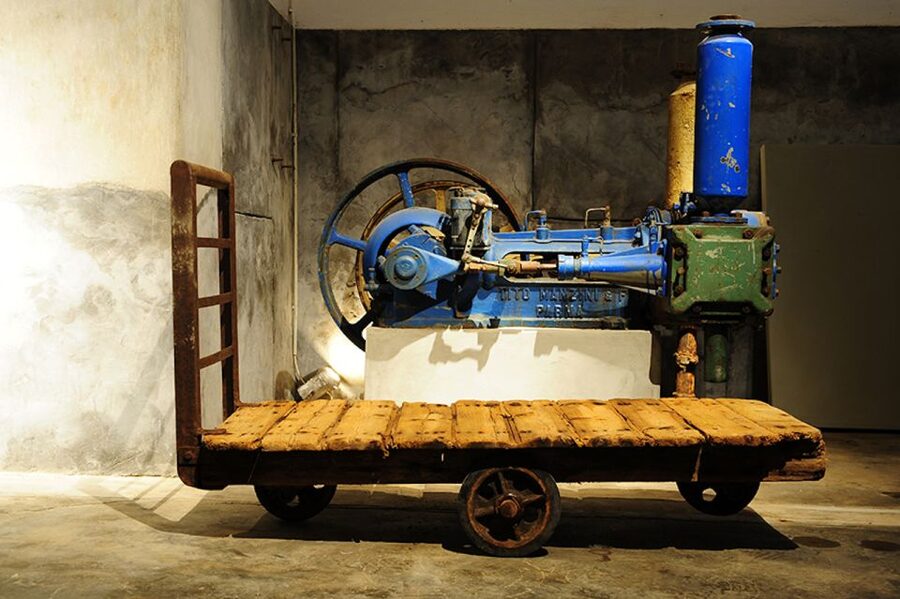
The museum’s exhibits go beyond photos on a wall. You will see a wide range of items connected to industrial tomato production, including processing machinery. That matters, because the museum is showing you the practical side of how a food tradition became a factory process.
You also get audiovisual material featuring former factory workers, with firsthand experiences from a bygone industrial era. That is where the museum becomes more than a display of equipment. The machines explain what happened. The worker accounts give you context for how it felt and why the process ran the way it did.
If you love object-based learning, this is a strong format. You can look at the tools, then listen to how producers handled cultivation and processing. If you are more of a story-driven visitor, the audiovisual pieces help you connect the dots without needing a live guide.
One small consideration: this is not set up as a guided workshop with direct interaction. The museum delivers its story through the audio guide and exhibits. So bring a mindset of active listening. If you switch off, you will miss the point.
The tomato tasting and the shop stop you will want to time right
This is not just a museum where you look and leave. One of the highlights is that you get to taste the cherry-sized sweet tomato and learn about its distinctive flavor. For me, that is the best payoff for the entire production story. You can hear about traditional methods, then immediately connect them to a taste.
After the tasting, the experience naturally shifts to your next move: the museum shop. Your ticket includes access to the product boutique, and you can buy different products made using the Santorini tomato. That is useful if you want a practical souvenir that is edible and tied to the island’s identity.
Timing tip: if you care about tasting and shopping, do not leave it all to the very end while you are tired and running out of willpower. Give yourself enough time to enjoy the flavor first, then decide what you actually want to take home. You will make better choices when you are not rushing.
If you are the type who likes bringing home “something that makes sense,” this is that kind of stop. The shop is not random. It is built around the tomato story you just learned.
Price and value: what $14 buys on a Santorini day
At $14 per person for a 1-day visit, this ticket is better value than many museum add-ons on Santorini. Why? Because your ticket includes more than entry. You get:
- Admission to the complex
- An audio guide device in five languages
- Access to the product boutique
That combination is what makes it feel worth it. Audio guides alone can add up, and entry plus audio plus a tasting component is a solid deal for a single stop. You are also not committing to a long, structured itinerary. You can pace it, which often matters more on Santorini than people expect.
How long you should plan for: the ticket is valid for 1 day, and you explore at your own pace across the complex’s three areas. So build a visit window that lets you listen without feeling rushed. If you have a packed day, you can still make it work, because the museum setup is designed to be flexible rather than slow and drawn-out.
Also, there is a strong review signal that it works well for kids because it feels quick and playful, not heavy. If your family needs a short cultural break between beaches or viewpoints, this is a smart candidate.
Who this Santorini tomato museum ticket fits best
This is one of those experiences that hits more people than you might think, as long as you like food culture or you enjoy practical history.
You will be especially happy if:
- You love food-based travel where you connect what you eat with where it comes from
- You enjoy industrial history, machinery, and real-world production stories
- You want a self-paced museum option while on a tight Santorini schedule
- You are traveling with kids and want something that feels quick and fun
You might think twice if:
- You strongly prefer a live guide and lots of back-and-forth conversation
- You want only scenic views or outdoor highlights, since this is centered on a production complex
- You dislike audio formats and do not want to wear headphones for much of the visit
The best match is a traveler who likes to learn while they walk, then taste what they learned.
Practical planning tips for pairing it with your day
Because the museum is reachable from Fira by bus roughly every 2 hours (plus taxi service), you can build it into your schedule without complicated planning. If you are staying in Fira, consider scheduling the museum for a time when you can comfortably use the audio guide without feeling rushed.
A good approach for the day:
- Start with the museum when you are fresh enough to listen carefully
- Leave shopping for when you have had the tasting and can make decisions calmly
- If you are heading back to Fira afterward, double-check your timing based on the bus frequency, then use taxi if you need to protect your schedule
Also, remember it is an industrial site. Wear shoes that are comfortable for walking inside the complex. You do not need hiking gear, but you do want steady footing.
Should you book the Tomato Museum ticket?
Yes, I think you should book it if you want a Santorini experience that is different from the usual views and sunsets. The combination of a tomato-focused industrial site, a self-guided audio guide in multiple languages, and the chance to taste the cherry-sized sweet tomato makes this a rare kind of museum stop that actually connects learning to flavor.
Book it sooner rather than later if:
- You like food history and want a hands-on souvenir through the shop
- You want flexibility, since you explore the three areas at your pace
- You travel with kids and need something that does not drag
Skip it if you only want art, big-name masterpieces, or a long guided narrative. This is for people who enjoy production stories, exhibits, and the payoff of tasting.
If you are on the fence, here is the simple test: if Santorini’s tomatoes are on your list of must-do island themes, this ticket is a clean win.
FAQ
How much does the Santorini Tomato Museum ticket cost?
It costs $14 per person.
How long is the visit?
The experience is listed as lasting 1 day, and you explore at your own pace.
Where is the museum located and where do I meet?
The meeting point is Tomato Industrial Museum, D. Nomikos in Vlychada.
How do I get to the museum from Fira?
You can reach it by taxi or by public bus from Fira. The bus connection runs every 2 hours.
What language options are included with the audio guide?
The audio guide device is included in English, French, German, Italian, and Greek.
Do I need to bring anything?
Bring headphones, since the audio guide is part of the experience.
Museums, compared.
 ★ 4.6Megalochori: Lost Atlantis 9D Experience Museum Entry TicketFrom $16440 reviews
 ★ 5.0Small Group Guided E-bike Tour & Local Tomato MuseumFrom $14467 reviews
Wine Tour in Santorini with private guide, wine museum and tastingFrom $25326 reviews
★ 5.0Small Group Guided E-bike Tour & Local Tomato MuseumFrom $14467 reviews
Wine Tour in Santorini with private guide, wine museum and tastingFrom $25326 reviews
 ★ 4.0Visit to a Wine Museum and Wine Tasting in SantoriniFrom $9110 reviews
 ★ 4.5Visit Cave Wine museum and Wine tastingFrom $1008 reviews
Browse the lists this tour appears in